
Prostatitis is a condition characterized by inflammation of the prostate gland, which is located beneath the bladder and in front of the rectum in men. It can cause symptoms such as pain or discomfort in the pelvis, difficulty urinating, and sexual dysfunction. Prostatitis can be caused by infection or inflammation, and it is estimated that up to 50% of men will experience prostate inflammation or prostatitis at some point in their lives.
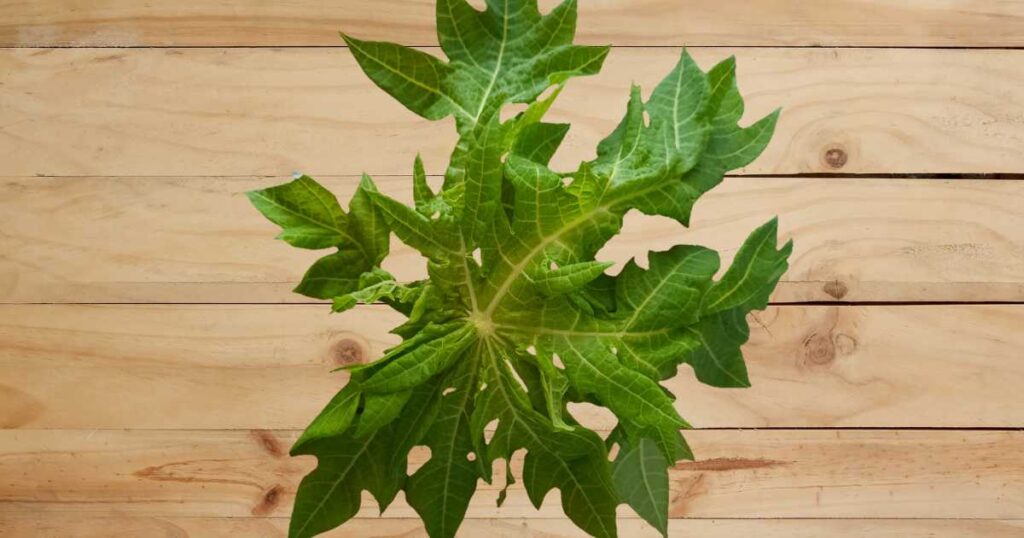
Carica papaya leaf extract (PAL) is a natural supplement that has been shown to have a variety of health benefits, including reducing prostate inflammation. It is derived from the leaves of the papaya tree, which is native to the tropical regions of Central and South America. PAL is known for its antioxidant, immunomodulatory, and anticancer properties, but its anti-inflammatory effects on prostatic tissues are not well understood.
The study aimed to investigate the therapeutic effects and underlying molecular mechanisms of PAL in the treatment of prostate inflammation. The researchers used a mouse model of experimental autoimmune prostatitis (EAP) and a prostatic cell line (RWPE-1 cells) exposed to inflammatory conditioned medium to simulate the inflammatory response seen in prostate inflammation.
The results of the study showed that PAL had several beneficial effects on prostate inflammation. In EAP mice, PAL suppressed pathological alterations and markedly reduced prostate weight. Histological analysis revealed that PAL alleviated prostatic hyperplasia, which is a common feature of prostate inflammation or prostatitis. In the RWPE-1 cells exposed to inflammatory conditioned medium, PAL significantly reduced the expression of inflammatory cytokines, including interleukin-6, tumor necrosis factor-α, and transforming growth factor-β. Additionally, PAL reduced the expression of certain proteins involved in the TRAF6/TAK1/MEK/ERK and NF-κB pathways, which are known to play a role in inflammation.
The study's findings suggest that PAL has potential as a new therapeutic agent in the treatment of prostatic disease and prostate inflammation. Its anti-inflammatory properties could help to reduce inflammation and alleviate the symptoms of prostatitis. However, further research is needed to determine the optimal dosage and duration of treatment with PAL, as well as to investigate its long-term effects and potential side effects. Overall, papaya leaves or papaya leaf extract could be a natural remedy for prostate inflammation or prostatitis.
Conclusion
The study provides promising evidence of the therapeutic effects of Carica papaya leaf extract (PAL) in the treatment of prostatitis or prostate inflammation. The anti-inflammatory properties of PAL could potentially reduce inflammation and alleviate the symptoms of prostatitis. Further research is needed to determine the optimal dosage and duration of treatment with papaya leaves or papaya leaf extract, as well as to investigate its long-term effects and potential side effects. These findings provide a basis for future research into the use of PAL as a new therapeutic agent in the treatment of prostatic disease and prostate inflammation.